Here we outline our four businesses, through which we contribute widely to the lives of people around the world.
Machine tools
Citizen began production of machine tools in 1936, utilizing the technologies and know-how developed through the manufacture of watch parts. Our products contribute to the development of manufacturing industries all over the world.
About Us
More than a century since it was founded in 1918 with the desire to produce Japanese-made watches, the CITIZEN Group has evolved into a corporate entity engaged in a wide range of businesses.
CITIZEN's corporate philosophy, "Loved by citizens, working for citizens" is to
deeply contribute to the lives of people around the world through the manufacturing of products that are loved and trusted by citizens.
Message From President & CEO
Crafting a new tomorrow Towards sustainable value creation
Since its founding, The CITIZEN Group has aimed to make a valuable and extensive contribution to the lives of people around the world through its business activities, based on its corporate philosophy, "Loved by citizens, working for citizens." As a company that operates both in Japan and overseas, we signed the UN Global Compact in 2005 and have since supported, respected, and implemented the Ten Principles of the Compact in the areas of the environment, human rights, labor, and anti-corruption. Article 4 of The CITIZEN Group Code of Conduct, "Respect human rights and diversity, and provide a safe and pleasant working environment," constitutes our basic policy on human rights, in line with which we have established guidelines for respecting human rights, creating a favorable workplace environment, and ensuring health and safety in the workplace. We work with our business partners to fulfill our responsibility to respect human rights.
The CITIZEN Group System for Respect for Human Rights
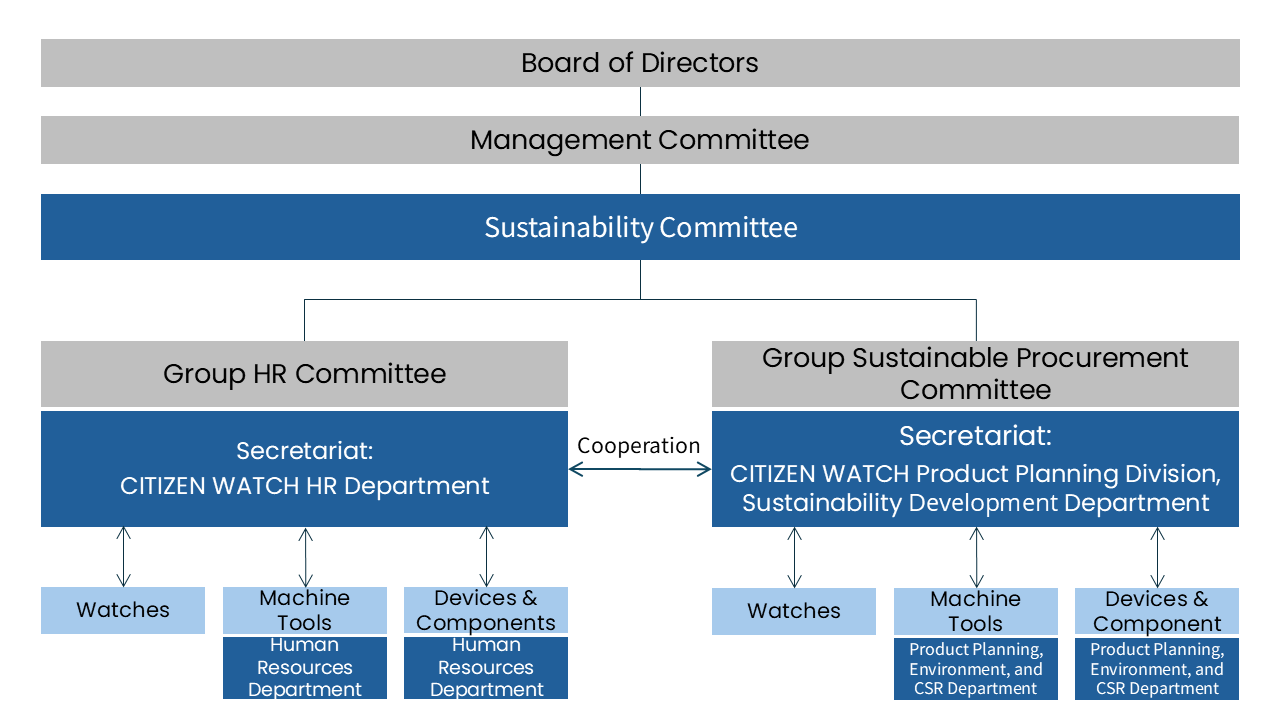
In 2019, two core organizations for ensuring respect for human rights were established under the Sustainability Committee: the Group Human Resources (HR) Committee, chaired by the director in charge of human resources at Citizen Watch Co., Ltd., and the Group Sustainable Procurement Committee, chaired by the director in charge of sustainability at the same company. With Citizen Watch Co., Ltd.’s HR Department serving as its secretariat, the Group HR Committee comprises members from the HR departments of each respective Group company. Meanwhile, with Citizen Watch Co., Ltd.’s Product Management Department and Sustainability Promotion Department serving jointly as its secretariat, the Group Sustainable Procurement Committee comprises members from the CSR, environmental management, and procurement departments of each respective Group company. Both committees work together to decide on Group-wide human rights measures and to share information about the progress of each Group company’s human rights initiatives. Their decisions are reported as part of the Group’s materiality measures to the Board of Directors through the Sustainability Committee.
The CITIZEN Group System for Respect for Human Rights
Establishment of The CITIZEN Group Human Rights Policy
The CITIZEN Group Code of Conduct, which serves as the basis of Group employees’ activities, applies to suppliers as well, calling for them to conduct business activities based on respect for their employees' human rights. We have also been active in promoting awareness of human rights among our suppliers. With the start of Mid-term Management Plan 2021 in April 2019, we have reiterated the Group's stance on respect for human rights by formulating The CITIZEN Group Human Rights Policy (revised in July 2025), in addition to taking on the challenge of Group-wide sustainable management and aiming to achieve the SDGs through our business activities.
This policy commits The CITIZEN Group to respect the dignity and rights of all stakeholders with whom it conducts business, to not be complicit in human rights abuses, and to take prompt action to remedy and correct any negative impact on human rights.
In conjunction with the formulation of The CITIZEN Group Human Rights Policy, in 2019, we also announced the Modern Slavery and Human Trafficking Statement and The CITIZEN Group Conflict Minerals Response Policy (revised in January 2021 as The CITIZEN Group Responsible Minerals Procurement Policy) to share awareness of human rights issues and clarify our proactive stance as a global company in addressing these issues.
The CITIZEN Group Human Rights Policy Revised: July 1, 2025 (Established April 1, 2019)
Fundamental Policy on Human Rights
The CITIZEN Group supports and maintains international norms relating to human rights. These include the International Bill of Human Rights (International Covenants on Human Rights/Universal Declaration of Human Rights/International Covenant on Civil and Political Rights/International Covenant on Economic, Social and Cultural Rights), which describe the fundamental human rights that should apply to people across the world. They also include fundamental rights relating to labor as outlined by the International Labor Organization's (ILO) Declaration on Fundamental Principles and Rights at Work (including freedom of association and the effective recognition of the right to collective bargaining, the elimination of all forms of forced or compulsory labor, the effective abolition of child labor, and the elimination of discrimination in respect of employment and occupation). These policies have also been formulated based upon the UN's Guiding Principles on Business and Human Rights.
The CITIZEN Group ensures that its business activities conform with the laws and regulations of the respective countries and regions in which it operates. If there are inconsistencies between internationally recognized human rights and the laws/regulations of individual countries or regions, the Group pursues methods that fundamentally respect international human rights.
Applicable Boundaries
This policy applies to all executives and employees of The CITIZEN Group. The CITIZEN Group also expects that all business partners related to its products and services conform to these policies.
Respecting Human Rights throughout our Business Operations
The CITIZEN Group respects the dignity and rights of all people. It works to ensure that fundamental human rights are maintained and respected throughout its business operations, and that it does not contribute to infringing on these rights. The Group ensures that these rights continue to be respected through its responses to any negative effects on human rights uncovered in the Group's operations. The Group ensures that progress is made with its efforts to respect human rights by following the policies and guidelines it has created for the various fields it operates in. If the Group determines that its business operations are having a negative influence on human rights, it takes responsibility by both implementing remedial measures to resolve these issues and making appropriate corrective responses.
(1) Individuals in Charge
The CITIZEN Group ensures that there is clarity regarding which executives are responsible for executing these policies, and monitors the status of their implementation.
(2) Human Rights Due Diligence
Through its efforts towards due diligence, The CITIZEN Group aims to identify any negative influences on human rights it might have, and prevent and/or mitigate their effects.
(3) Education/Training
The CITIZEN Group has implemented all required administrative procedures to ensure that the policy becomes incorporated throughout its business operations. It also provides appropriate education and training to both executives and employees, thus ensuring that the policies are fully understood and effectively implemented.
(4) Employment and Labor
(Prohibition of Forced/Child Labor)
As defined by local laws and regulations, The CITIZEN Group does not employ children who are younger than the legally required working age. In the same way, it does not allow forced labor. The Group also requires its business partners and suppliers to follow these practices.
(Positive Employer-Employee Relationships)
The CITIZEN Group promises to respect the freedom to form unions and the recognition of collective bargaining rights.
(Elimination of Discrimination)
The CITIZEN Group works to ensure equal opportunities for employment, job placement, advancement, and skills development.
(Fair Payment)
The Citizen Group complies with the statutory minimum wage and strives to pay living wages.
(5) Dialogues / Consultations
The CITIZEN Group will consult with relevant stakeholders regarding its response to potential and actual impacts on human rights.
(6) Remedies
If it is found that The CITIZEN Group has had a negative effect on human rights, or has contributed to such an effect in some manner, the Group will work to implement proper and effective corrective measures and remedies by taking necessary actions both inside and outside the Group.
(7) Disclosure of Information
The CITIZEN Group reports on its human rights efforts through both its website and CSR report.
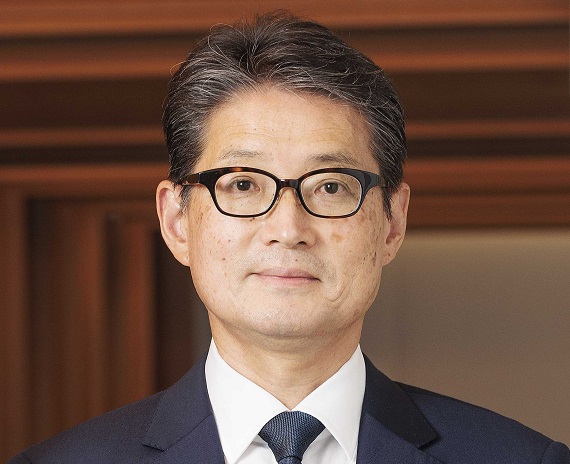
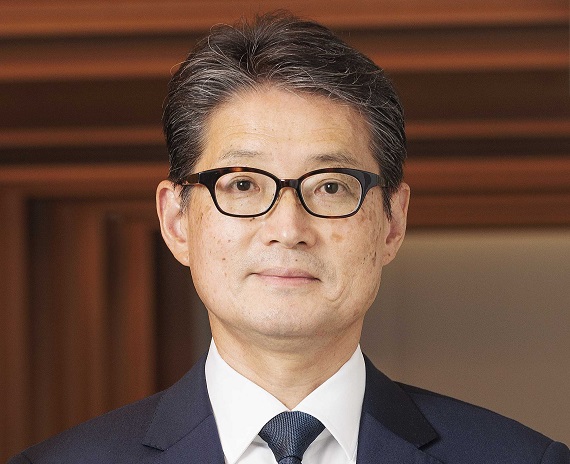
Oji Yoshitaka President & CEO Citizen Watch Co., Ltd.
Modern Slavery and Human Trafficking Statements
These annual statements align with the UK Modern Slavery Act 2015. They have emphasized that The CITIZEN Group (Citizen Watch Co., Ltd. and its Group companies) strives not to infringe on human rights or be complicit in human rights abuses through both its businesses and supply chain and is committed to the elimination of modern-day slavery and human trafficking.
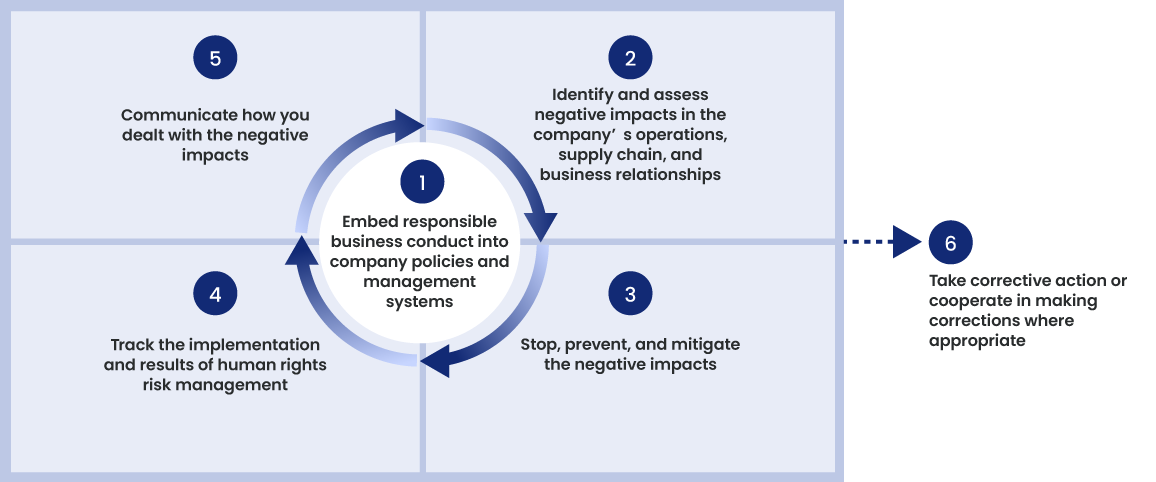
Based on international frameworks for protecting human rights, including the UN Guiding Principles on Business and Human Rights and the OECD Due Diligence Guidance for Responsible Business Conduct, The CITIZEN Group is committed to taking practical action to ensure that the human rights of all stakeholders in its value chain (all employees, suppliers and other business partners, members of local communities including indigenous peoples, and customers) are respected.
Human Rights Impact Assessment
To make its human rights due diligence process more effective, The CITIZEN Group has conducted human rights impact assessments since FY2021 and has promoted initiatives to prevent significant human rights issues since FY2022.
Measures to Protect the Human Rights of Employees
・FY2021: We conducted a human rights risk assessment at 14 companies in Japan and 41 overseas using a Human Rights Due Diligence Questionnaire with 22 questions, which was created in alignment with the ILO Declaration on Fundamental Principles and Rights at Work,* the Caux Round Table for Moral Capitalism’s Principles for Responsible Business, and UN Global Compact standards. The assessment identified potential future risks related to harassment, long working hours, unstable employment, and health and safety issues (including mental health issues).
・FY2024: The same questionnaire as in FY2021 was sent to 13 companies in Japan and 47 overseas to conduct a human rights risk assessment. Just as in the previous assessment, the latest assessment identified potential future risks related to long working hours, health and safety issues (including mental health issues), and harassment.
Measures to Protect Human Rights in the Supply Chain
・FY2021: The Group Sustainable Procurement Committee held a study session, with an external expert serving as an instructor, to identify significant human rights issues in the supply chain. Using the identification methods learned in the study session, as well as the results of interviews with former overseas representatives, the committee identified conflict mineral risks and the working environment at raw material suppliers as significant human rights issues in the Watches Business and determined preventive measures.
・FY2022: To address the conflict mineral risks, one of the significant human rights issues in the Watches Business, we formulated a plan to achieve 100% procurement from RMAP-compliant smelters. To address the significant human rights issue of the working environment at raw material suppliers, we planned to conduct on-site audits. We also implemented preventive measures against these issues. In addition, we conducted a human rights impact assessment at all Businesses other than the Watches Business as well.
・FY2023: The same preventive measures as in the Watches Business were implemented against significant human rights issues in all other Businesses.
Measures to Protect Human Rights in the Value Chain
・FY2025: Staff in charge attended a lecture on the OECD Due Diligence Guidance for Responsible Business Conduct given by an external expert and used the due diligence method they had learned in the lecture to reassess the Group’s entire value chain in consideration of the results of previous human rights impact assessments. The reassessment focused on a risk assessment in line with the "Practical Manual on Human Rights Due Diligence—Responsible Business Conduct in the Human Rights Field—" developed by the Supply Chain Peer Learning Group of Global Compact Network Japan (GCNJ).
1. Impact Assessment: Desktop assessment and dialogue with stakeholders
We conducted a desktop assessment to objectively and comprehensively detect human rights issues based on national, regional, and industrial characteristics, and from them identify high-priority issues. We also engaged in dialogue with stakeholders to understand the realities in the field and how those involved recognize those realities, which are often less visible in publicly disclosed information. We believe that combining these two methods will enhance the validity of our assessment, thereby enabling more effective preventive and remedial measures.
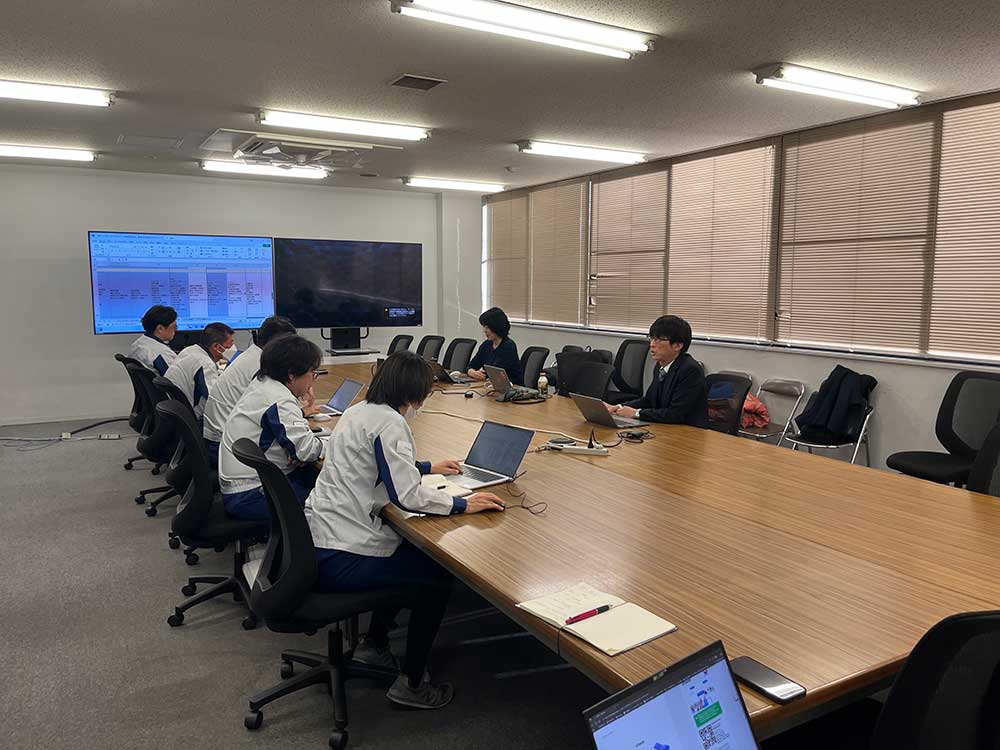
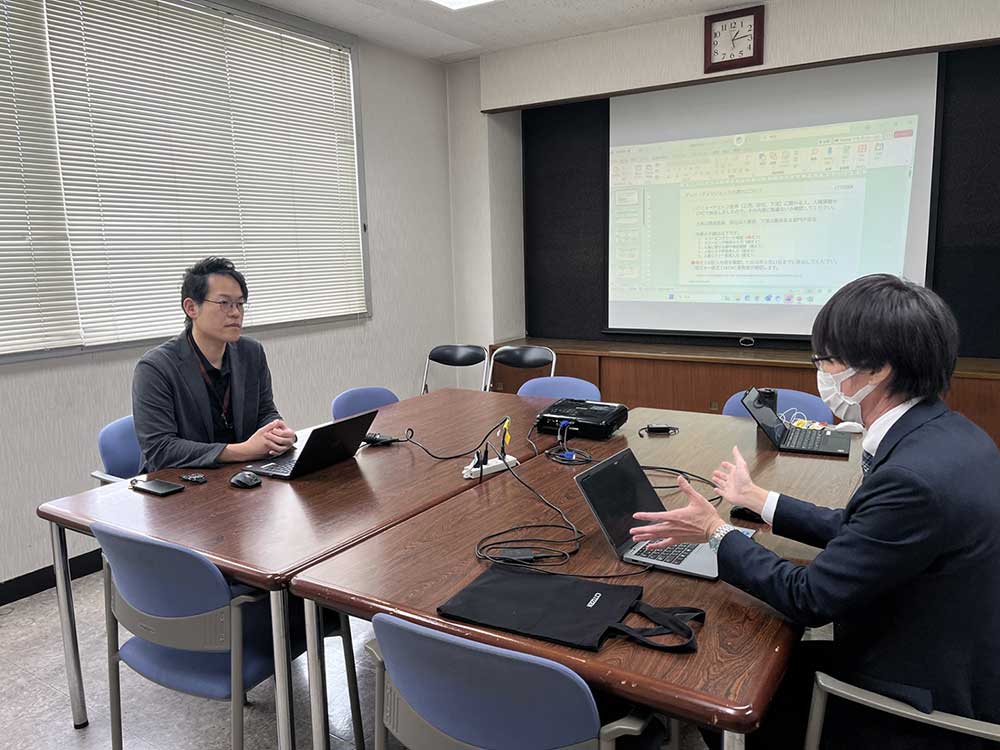
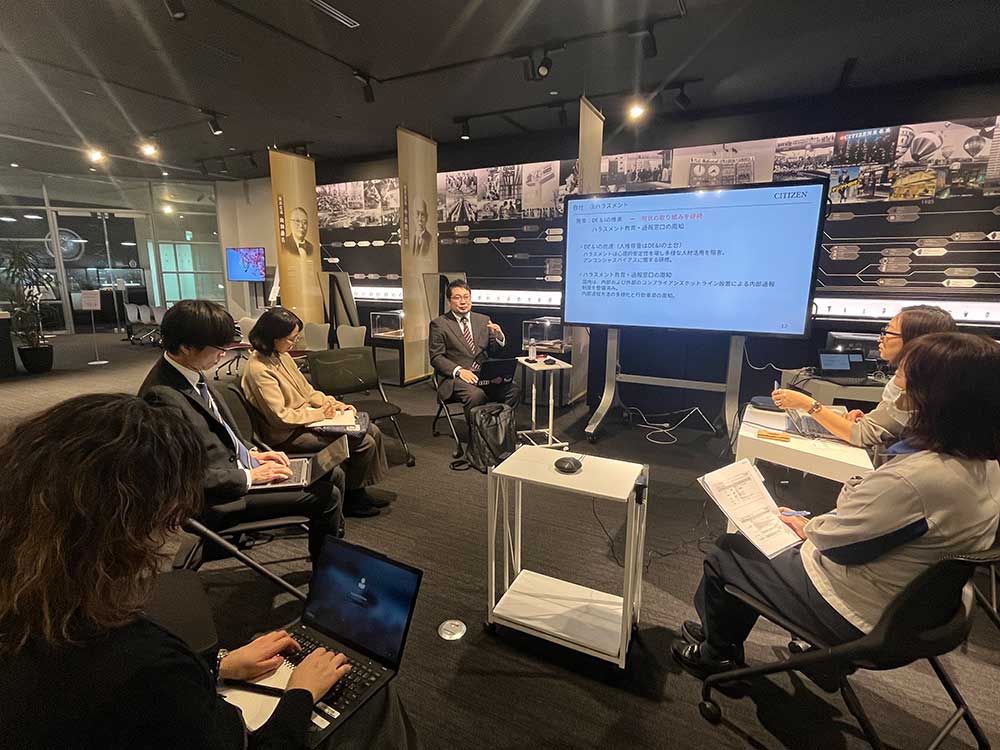
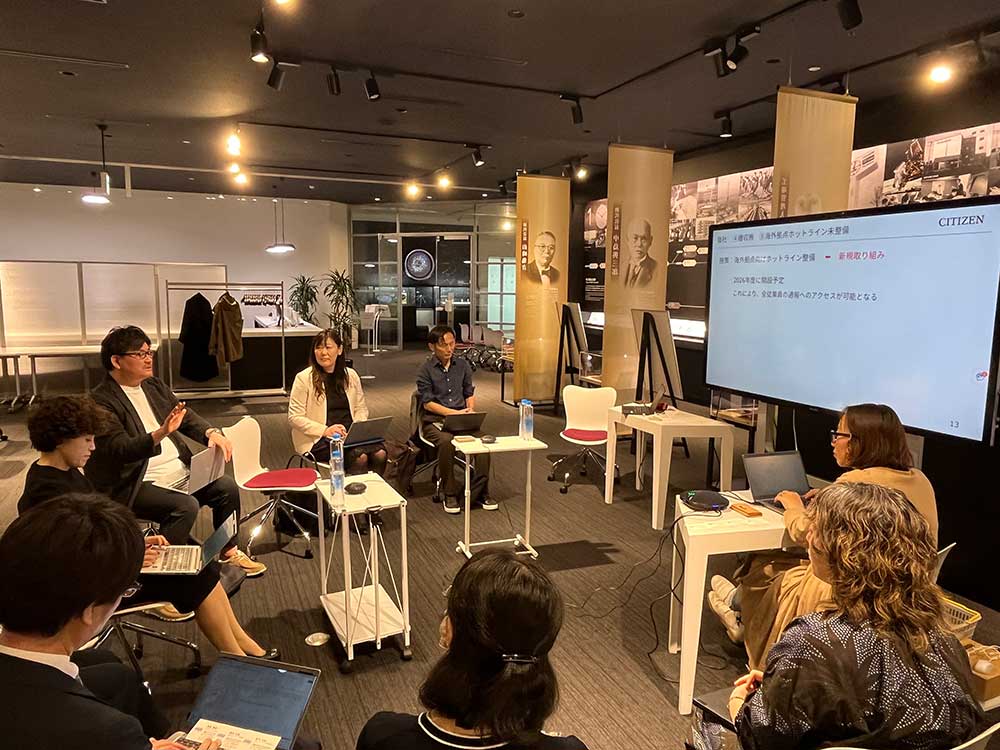
Examples of dialogue activities
Giving an explanation to Group companiesDialogue with a union representativeInterview with those involved in downstream operations about issues faced there
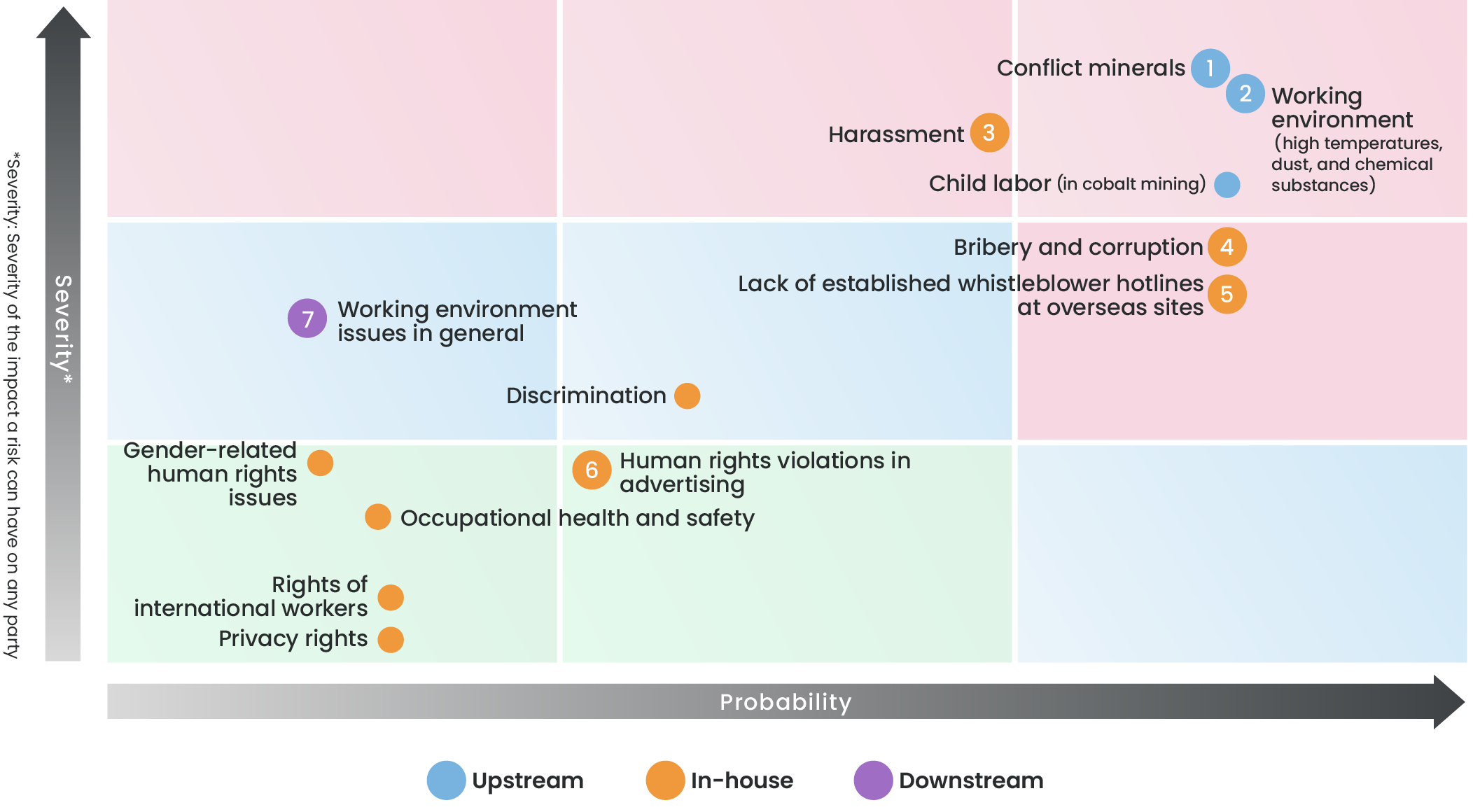
2. Severity and probability assessments: Risk mapping
To visualize the magnitude and likelihood of the impacts of risks on human rights and to rationally identify risks to be addressed by priority, we mapped risks in a quadrant bordered by two axes: severity and probability. We believe that assessing risks based on the severity of their impacts on those involved will help us make decisions based on the impacts on the rights holders, instead of risks to the company itself.
Identifying Significant Human Rights Issues
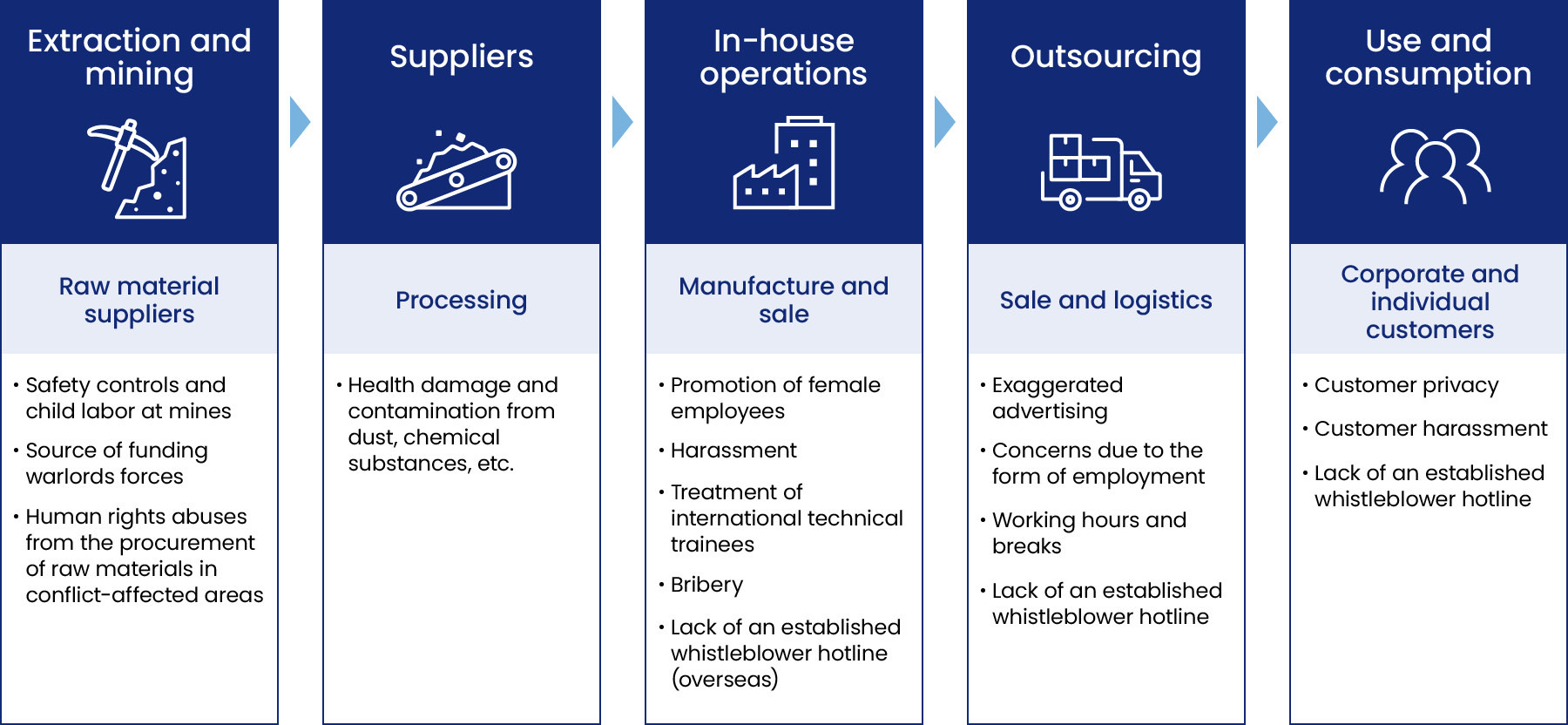
At a meeting of the Sustainability Committee, a report was submitted for deliberation on themes ① to ⑦ in the table below, which had been identified as significant human rights issues in the value chain. Starting in FY2026, we will successively launch measures to mitigate risks associated with these issues. For details on our initiatives for each theme, follow the link posted in the section for each theme.
List of significant human rights issues in the value chain and measures to address them
Upstream: Raw material procurement and processing
In-house: Manufacture and sale
Downstream: Sale and logistics
Rights holders
Extraction and mining
Processors
Leather tanners
Painters
Employees
Corporate customers
Individual customers
Significant human rights issues
① Conflict mineral risks
② Health damage and contamination caused by high temperatures, dust, chemical substances, etc.
③ Harassment
④ Bribery
⑤ Lack of established whistleblower hotlines at overseas sites
⑥ Human rights violations in advertising
⑦ Long working hours
Measures
① Procurement from RMAP-compliant smelters
② Audits and remediation
③ DE&I promotion and education; enhancement of employee awareness of whistleblower hotlines
④⑤ Establishment of hotlines for overseas sites in FY2026
⑥ Education of public relations staff
⑦ Initiatives through business activities and products (Machine Tools)
① Procurement from RMAP-compliant smelters
We work in pursuit of this theme in line with the framework set by the OECD Due Diligence Guidance for Responsible Supply Chains of Minerals from Conflict-Affected and High-Risk Areas. Adhering to this framework, The CITIZEN Group is strongly promoting its Group-wide efforts to eliminate the use of conflict minerals, including disclosing the proportion of smelters that comply with the Responsible Minerals Assurance Process (RMAP) standards and making the necessary improvements at some smelters from the perspective of human rights risks as well.
To ensure that the working environment at raw material suppliers in the upstream value chain is free from health damage and contamination caused by high temperatures, dust, chemical substances, etc., we conduct supplier audits and adopt remedial measures if necessary. Since FY2023, the Watches Business has conducted supplier audits using our originally developed Occupational Health & Safety (OHS) and Labor Management Checklist to confirm the appropriateness of the working environment at each supplier.
③ DE&I promotion and education; enhancement of employee awareness of whistleblower hotlines
We work to ensure respect for human rights, which we position as a significant management issue, following the basic policy of complying with laws and regulations relevant to labor and human rights. Employees with disabilities account for 2.3% of all employees of The CITIZEN Group, with the legally mandated disability employment rate still unmet at some sites. We have therefore continued to implement remedial measures, including enhancing our recruitment efforts. To help employees in their child- and/or elderly-care efforts, we also implement measures in compliance with applicable laws and regulations, including changing the timing for providing information on elderly care in accordance with the revision of such laws and regulations.
In addition, as a voluntary initiative that goes beyond legal compliance, we promote diversity, equity, and inclusion (DE&I) and implement initiatives to create an environment where diverse human resources can demonstrate their capabilities, such as developing female candidates for managerial positions and increasing the percentage of male employees taking childcare leave.
As contact points for whistleblowers in Japan, we have already established internal and external compliance hotlines and thereby built an effective whistleblowing system. We are continuing our efforts to diversify whistleblowing channels and raise employee awareness of the Group Code of Conduct.
Although the risk of human rights violations in advertising is currently not high, we provide public relations staff with the opportunity to receive human rights education, taking into consideration the major impact of advertising on society. We plan to launch an education program in 2027 and successively introduce it to various sites.
⑦ Initiatives through business activities and products (Machine Tools)
The CITIZEN Group has launched a Group-wide initiative for human resources development with a common program designed to train management talent. In addition, Citizen Watch Co., Ltd. holds roundtable talks to create the opportunity for employees to have dialogue with management. With the Citizen Watch Co., Ltd. President himself having declared his commitment to promoting diversity, the company is working to develop female managers as part of the reform of its organization culture.
Since we place high importance on ensuring respect for human rights and legal compliance throughout our entire supply chain, we promote continuous efforts in supplier engagement. Specifically, we work to permeate the Group Sustainable Procurement Guidelines throughout our supply chain. We also explain the aims of sustainable procurement to our suppliers, have them respond to our self-assessment questionnaire (SAQ) surveys, and audit them to encourage them to fully understand what sustainable procurement is and to participate in sustainable procurement practices. Furthermore, based on any identified risks related to human rights, labor, occupational health and safety, etc., we will engage in dialogue with them and/or support their remedial efforts as needed with the aim of resolving common issues and building sustainable relationships with them.
Engagement with International NGOs and External Experts
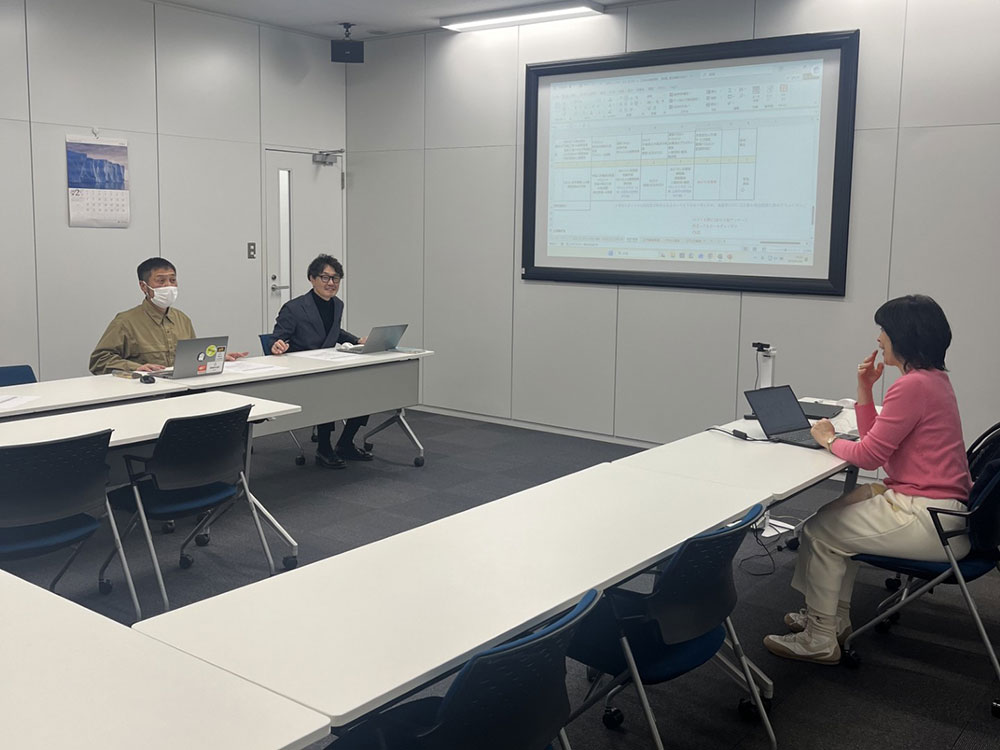
The CITIZEN Group recognizes that third-party human rights due diligence reviews significantly help the Group to ensure objectivity and transparency in its human rights initiatives and to increase its social credibility. Insights obtained from external experts enable us to appropriately assess human rights risks and issues that would be difficult to identify by ourselves and to strengthen our ability to comply with international standards and new legal regulations. We will promote highly effective human rights risk management through constant improvements based on such external perspectives.
An engagement meeting with external expertsAn engagement meeting with representatives of international NGOs
Engagement with Experts: Comment from an Expert
As part of its human rights due diligence efforts, The CITIZEN Group has revised its human rights impact assessment approach, and the revised approach has resulted in the identification of new significant human rights issues. The Group’s human rights impact assessments used to focus primarily on upstream operations, mainly those of suppliers. However, the revised approach now covers the entire value chain, including downstream activities, and assesses the impacts of the value chain on human rights based on their severity and probability in consideration of information obtained from interviews with stakeholders. One of the key features of the new human rights impact assessment approach is its expanded scope to encompass the entire value chain.
Furthermore, it is noteworthy that the results of human rights impact assessments are used to devise new measures and also to review the Group’s CSR procurement operations. The Group’s shift from a conventional, SAQ-based general management approach to the approach of focusing on high-risk areas while placing high importance on audits and on-site verifications can be highly rated, as the new approach aligns with a risk-based approach often adopted in human rights due diligence.
There are two major challenges the Group should solve going forward. One of them is to constantly review the results of human rights impact assessments. Given that the situation surrounding human rights can change in accordance with changes in the social environment, the Group is required to ensure the effectiveness of human rights due diligence through regular reviews. The second challenge is to establish grievance mechanisms. I believe that, since not all human rights issues throughout the value chain can be addressed proactively within the Group, it is important to establish easily accessible contact points for rights holders to supplement the risk-based human rights due diligence approach.
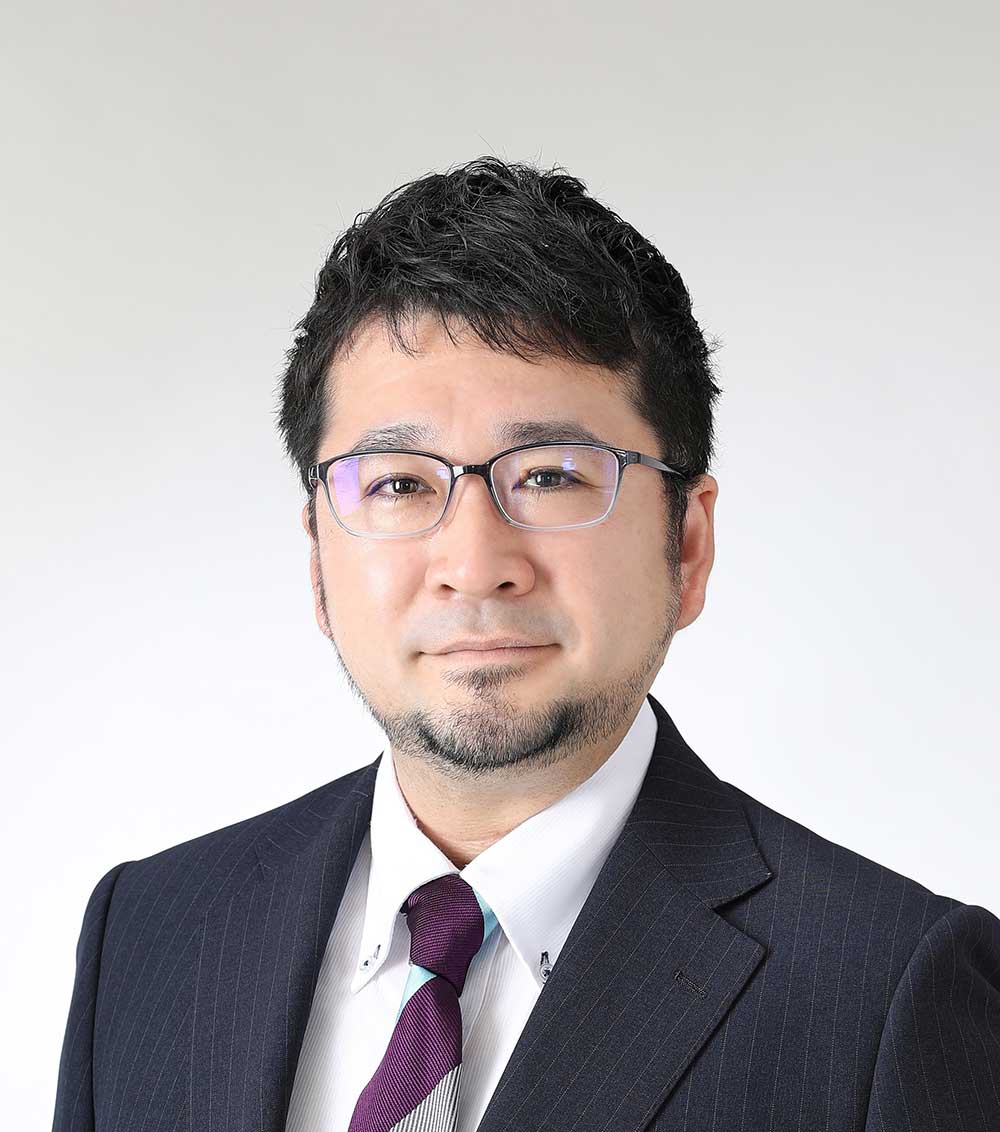
Yosuke Sakurai Associate Professor, Faculty of Sustainability Studies, Hosei University
Engagement with International NGOs: Comment from an NGO Representative
This initiative can be recognized as a significant step forward as it is The CITIZEN Group’s first and successful attempt to systematically organize its human rights due diligence operations across the entire value chain. Meanwhile, its current risk assessment approach seems to be limited mainly within hypothetical analyses from an internal perspective. I hope that, on the path forward, the Group will develop its human rights due diligence process into something more effective by enhancing stakeholder engagement, including direct dialogue with rights holders, increasing the accuracy of its definitions of risks and its assessment approach, and comprehensively analyzing the entire value chain. Specifically, effective measures include interviewing workers through third parties and introducing anonymous surveys.
Furthermore, in the latest assessment, the impacts of the use of products and services on human rights have been analyzed only to a limited extent, compared with the impacts of upstream and in-house operations. Every company is responsible not only for its own direct impacts on human rights but also for the impacts it indirectly contributes to through its business activities. Human rights impact assessments must be based on this perspective of "contribution."
As a supply chain challenge, the Group’s occupational safety initiatives focus on audits and remedial measures. However, it is also necessary to devise measures to address chronic health damage and structural risk factors.
Within the in-house working environment, countermeasures against harassment have been established to a certain extent. However, I believe that, from now on, the Group should work to solve the challenge of verifying the effectiveness of those measures (including the status of use of the whistleblowing system, prevention of revenge on whistleblowers, and accessibility for vulnerable employees).
I hope that the Group will position the results of the latest assessment as provisional as of this point in time and make constant reviews through subsequent efforts in stakeholder engagement and refinement of the assessment approach.
Miki Nagashima, PhD in Political Science Leader of the Advocacy Group Plan International Japan (a public interest incorporated association)
Human Rights Training and Awareness-Raising
The CITIZEN Group aims to promote sustainable management under its current Medium-term Management Plan; it will also focus its promotion efforts on "Respect for human rights and labor practices" as part of the material issue of "Fulfilling Social Responsibility." Since The CITIZEN Group designated December as Human Rights Month in 2019, it has conducted various awareness-raising activities in that month to increase employees’ understanding of universally declared human rights. We work to ensure not only the permeation of our Human Rights Policy but also keen awareness of human rights throughout the Group using internal training and newsletters.
Employee Training
From FY2019 to FY2023, we provided CITIZEN Group employees with e-learning programs on the UN Guiding Principles on Business and Human Rights, as well as human rights in the workplace, among consumers, and in the supply chain.
In addition, to help employees deepen their understanding of sexual orientation, gender identity and expression, and sex characteristics (SOGIESC), we provided collective training for the human resources personnel and other staff of each Group company. In FY2024, we implemented an e-learning program on issues experienced by LGBTQ people to raise awareness thereof throughout The CITIZEN Group.
In FY2025, we evolved our Diversity & Inclusion policy into a Diversity, Equity & Inclusion policy so as to provide equal opportunities to all employees with diverse backgrounds, thereby enabling them to perform at their best. To raise awareness of this policy revision among employees, we provided them with an e-learning program.
Training for Procurement Personnel
The Group Sustainable Procurement Committee, which oversees procurement throughout the Group, has been holding an annual Expert Study Session since FY2020. The session is designed to allow the staff of departments involved in procurement operations to deepen their understanding of audits and due diligence.
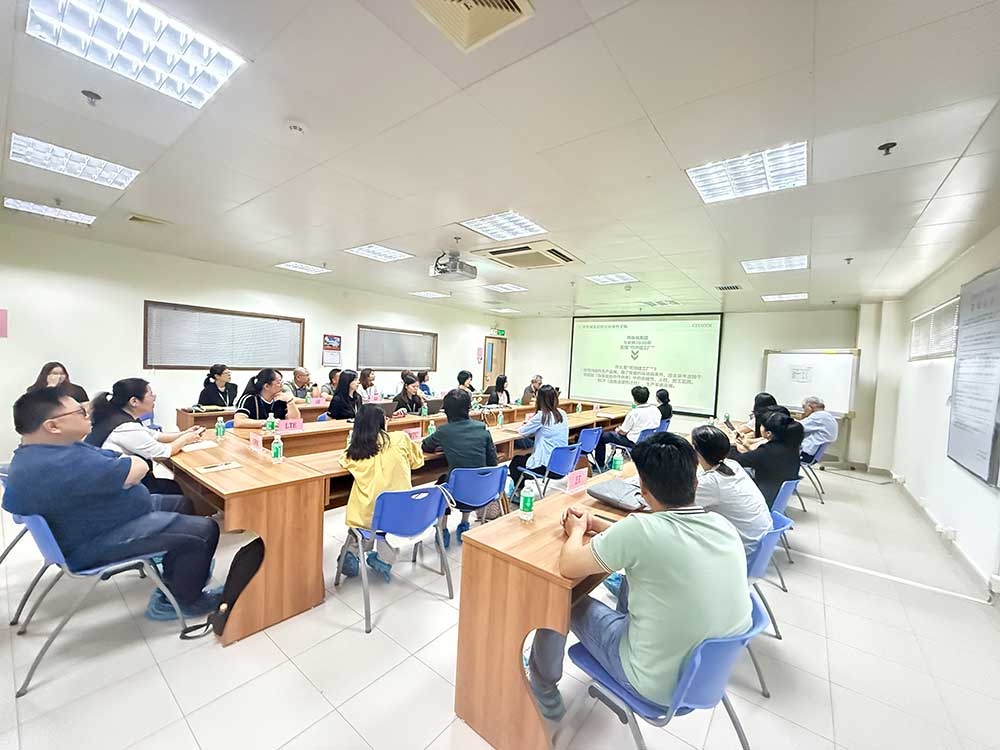
The Watches Business holds training sessions for suppliers in China in conjunction with audits conducted thereof.
Period
Theme
FY2024
Management of chemical substances
FY2025
Impacts of climate change on human rights
A scene from a training session for suppliers in China
Grievance Mechanism and Remedies
As part of our efforts to establish a remedy system as required by the UN Guiding Principles on Business and Human Rights, we have a centralized whistleblowing system, whereby employees can report any human rights incidents through The CITIZEN Group Compliance Hotline. Furthermore, Citizen Watch Co., Ltd. has established a consultation desk dedicated to harassment cases within the Human Resources Department to foster an environment where employees can feel free to seek advice or report concerns.
In April 2023, we also established a hotline for suppliers. The CITIZEN Group Supplier Hotline is a whistleblowing platform designed to elevate transparency and equity in interactions between The CITIZEN Group and its business partners, thereby fostering greater trust in these relationships. If suppliers in transaction with us notice any actual or suspected violation against laws, regulations, business contracts, The CITIZEN Group Human Rights Policy, or any other applicable rules, they can use the hotline to report the matter. In response, we will seek to resolve the issue. Whistleblowing reports can be sent to us by filling out and submitting the online form below.
As part of its efforts to address human rights risks in the supply chain, The CITIZEN Group supports UNICEF’s Children's Rights and Business Principles (CRBP) through the Japan Committee for UNICEF and engages in activities aimed at avoiding child rights violations in its operations and promoting children’s rights. In FY2023 and FY2024, we participated in Plan International’s "Eliminating Child, Early, and Forced Marriage in Laos" project by aiding the international NGO in its activities, with the aim of establishing a girl-friendly school environment and enhancing awareness of the issue of early marriage among the parents and other guardians of local children.