Here we outline our four businesses, through which we contribute widely to the lives of people around the world.
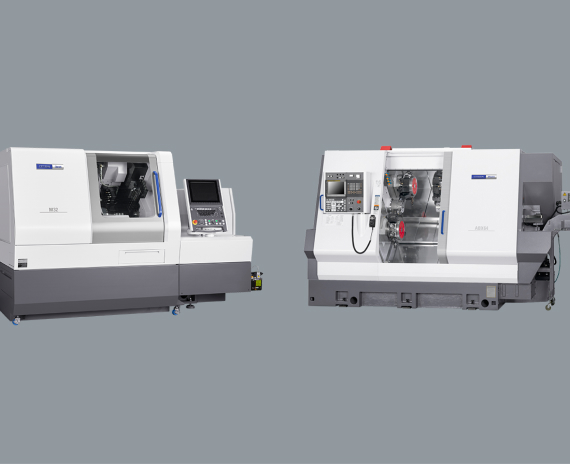
Machine tools
Citizen began production of machine tools in 1936, utilizing the technologies and know-how developed through the manufacture of watch parts. Our products contribute to the development of manufacturing industries all over the world.
About Us
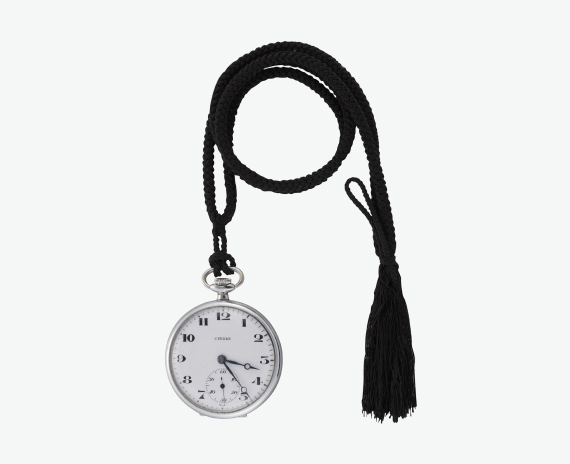
More than a century since it was founded in 1918 with the desire to produce Japanese-made watches, the CITIZEN Group has evolved into a corporate entity engaged in a wide range of businesses.
CITIZEN's corporate philosophy, "Loved by citizens, working for citizens" is to
deeply contribute to the lives of people around the world through the manufacturing of products that are loved and trusted by citizens.
Message From President & CEO
Crafting a new tomorrow Towards sustainable value creation
Environment: Initiatives for Biodiversity Conservation
Initiatives for Biodiversity Conservation
Recognizing the importance of the ecosystem services provided by biodiversity and the impact of its business activities on biodiversity, The CITIZEN Group has established The CITIZEN Group Biodiversity Vision and is working together with local communities to conserve biodiversity.
Furthermore, in declaring its support for the disclosure recommendations of the Taskforce on Nature-related Financial Disclosures (TNFD),*1 the Group registered as a TNFD Adopter*2 in April 2025. We are therefore preparing appropriate disclosures concerning natural capital.
Taskforce on Nature-related Financial Disclosures (TNFD): An international organization established to create a framework for corporate risk management and disclosure related to nature
TNFD Adopter: A company or organization that commits to making public disclosures aligned with the TNFD recommendations
The CITIZEN Group Biodiversity Vision (Revised in April 2020)
Basic Policy
Recognizing that our business activities benefit from and have an impact on ecosystem services, The CITIZEN Group is united in its efforts to conserve biodiversity in order to contribute to a sustainable civil society where people and nature can live in harmony and peace of mind.
Priority Policy
We will provide attractive environmentally friendly products and services that inspire people to respect and live in harmony with nature.
We will promote the greening of business premises in consideration of biodiversity.
We will actively disclose information on our environmental initiatives and deepen communication with society regarding biodiversity.
We will promote environmental and biodiversity conservation activities in local communities.
We will provide education on ecosystem services to all employees to deepen their understanding of biodiversity conservation.
Nature-Related Disclosures Based on the TNFD Recommendations
The TNFD is an international initiative to establish a framework for appropriate assessment and disclosure of natural capital-related risks and opportunities in business. It published its final recommendations in September 2023. Supporting the principles pursued by the TNFD and its recommendations, The CITIZEN Group registered as a TNFD Adopter in April 2025.
Activities in FY2025
In FY2025, we went through the following two phases, which constitute a basis for assessment based on the LEAP approach as recommended by the TNFD.
Scoping a LEAP assessment We selected the business fields to be assessed and defined the scope of our assessment based on the sales composition and characteristics of each business.
Locating our interface with nature We geographically located the interface between our business activities and nature and selected priority locations from the perspective of the importance of biodiversity, as well as from a risk perspective.
1.Phase 1: Scoping a LEAP assessment
The CITIZEN Group selected its Watches Business, which accounts for more than 50% of its sales, to be subject to a LEAP assessment. In this phase, we formulated the working hypothesis that, due to the characteristics of its operations, the business faces nature-related issues throughout its entire value chain, from raw material procurement upstream to product disposal downstream.
2. Phase 2: Locating our interface with nature
In line with the TNFD-recommended approach, we conducted an ENCORE*-based comprehensive screening of nature-related dependencies and impacts in our direct operations and both our upstream and downstream value chains. The screening located the major dependencies and impacts of agriculture, forestry, fishery, and mining involved in our raw material procurement (in the upstream value chain) on nature and the impact of the waste disposal process in product disposal (in the downstream value chain) on nature.
The screening also confirmed that our direct operations are likely to have heavy dependencies on cultural services provided by ecosystems as sources of inspiration in research, development, and design and to have relatively major impacts on nature due to pollutants and other emissions from our manufacturing processes to the atmosphere.
Based on these overall results, for FY2025, we decided to devote ourselves to increasing the accuracy of our assessment and devising effective countermeasures. We therefore selected 17 directly-operated factories in Japan, which are under our direct management and constitute an essential foundation for our business, to be subject to a detailed assessment tailored to regional characteristics.
※ ENCORE (Exploring Natural Capital Opportunities, Risks and Exposure) : A tool for analyzing nature-related dependencies and impacts, operated jointly by Global Canopy, a UK-based think tank, and the United Nations Environment Programme
Heatmap of Our Dependencies on Nature (Ecosystem Services)
Animal-based energy provisioning services
Biomass provisioning services
Solid waste remediation
Soil and sediment retention services
Water purification services
Soil quality regulation services
Dilution by atmosphere and ecosystems
Biological control services
Air filtration services
Flood mitigation services
Genetic material services
Global climate regulation services
Water supply
Nursery population and habitat maintenance services
Noise attenuation services
Mediation of sensory impacts
Local (micro and meso) climate regulation services
Pollination services
Storm mitigation services
Water flow regulation services
Rainfall pattern regulation services
Recreation-related services
Visual amenity services
Education, scientific, and research services
Spiritual, artistic, and symbolic services
Upstream value chain
Mining of nonferrous metal ores
VL
L
M
VH
M
VL
H
H
H
VL
L
L
M
H
VH
Mining of iron ores
VL
L
M
VH
M
VL
H
H
H
VL
L
L
M
H
VH
Other mining and quarrying
L
L
M
VH
M
VL
H
H
H
VL
L
L
M
H
VH
Extraction of crude petroleum
L
L
VL
M
VL
H
H
M
VL
L
L
L
M
Silviculture and other forestry activities
L
VH
M
VH
VH
VH
H
M
H
VH
VH
H
H
VH
M
M
H
VH
Logging
M
VH
M
VH
H
H
H
M
M
VL
VL
L
M
Growing of fiber crops
M
VH
M
VH
VH
VH
M
H
M
M
VH
VH
H
VL
VH
VH
M
H
VH
Raising of cattle and buffaloes
VH
M
VH
H
H
L
M
M
M
M
M
H
VL
VL
VL
M
H
H
VH
VH
VH
Aquaculture
VH
VH
VH
VH
M
M
H
M
H
M
M
H
VL
H
H
H
VH
Fossil fuels energy production
M
M
M
VL
M
M
H
VL
L
L
H
Direct operations
Research and experimental development on natural sciences and engineering
L
L
VL
M
VL
VL
VL
VL
M
L
L
VL
VL
L
L
L
L
VH
Specialized design activities
VL
VL
VL
L
VL
VL
L
L
VL
VH
VH
VH
Manufacture of other fabricated metal products ; metalworking service activities
M
L
M
L
M
VL
M
VL
VL
L
M
M
Manufacture of measuring, testing, navigating, and control equipment ; manufacture of watches and clocks
L
L
M
L
VL
M
VL
M
VL
VL
L
M
M
VL
Manufacture of jewelry, bijouterie, and related articles
M
L
M
L
VL
M
VL
M
VL
VL
L
M
M
VL
Manufacture of plastic products
L
L
M
L
VL
M
VL
L
VL
VL
L
M
M
VL
Tanning and dressing of leather ; manufacture of luggage, handbags, saddlery, and harness ; dressing and dyeing of fur
M
L
L
VL
M
M
VL
M
VL
L
M
M
VL
Downstream value chain
Waste treatment and disposal
VH
VL
M
M
VL
VL
VL
VL
M
VL
VL
L
M
M
Waste collection
VL
M
M
VL
M
L
L
M
M
Heatmap of Our Impacts on Nature
Disturbances (e.g., noise, light)
Area of freshwater use
Emissions of GHG
Area of seabed use
Emissions of non-GHG air pollutants
Biotic resource extraction
Abiotic resource extraction
Emissions of toxic pollutants to water and soil
Emissions of nutrient pollutants to water and soil
Generation and release of solid waste
Area of land use
Volume of water use
Introduction of invasive species
Upstream value chain
Mining of nonferrous metal ores
VH
VH
M
VH
H
H
VH
H
M
M
L
Mining of iron ores
H
H
M
H
M
H
H
VH
M
L
VL
Other mining and quarrying
H
H
H
H
H
M
H
M
M
M
VL
Extraction of crude petroleum
VH
VH
H
VH
M
VH
L
L
L
L
Silviculture and other forestry activities
H
VH
H
H
L
VH
M
H
Logging
H
M
M
VH
VH
M
L
VH
M
M
Growing of fiber crops
M
H
M
H
H
H
H
H
H
M
Raising of cattle and buffaloes
M
H
H
H
H
H
VH
VH
H
H
Aquaculture
M
H
M
H
VH
H
H
H
M
M
H
Fossil fuels energy production
VH
M
VH
VH
VH
H
M
M
Direct operations
Research and experimental development on natural sciences and engineering
L
L
L
VL
L
M
L
M
L
Specialized design activities
VL
VL
VL
VL
VL
M
L
Manufacture of other fabricated metal products ; metalworking service activities
M
L
L
VH
L
L
M
Manufacture of measuring, testing, navigating, and control equipment ; manufacture of watches and clocks
M
M
H
M
L
L
M
Manufacture of jewelry, bijouterie, and related articles
M
M
H
M
L
L
M
Manufacture of plastic products
M
M
M
VH
M
L
L
Tanning and dressing of leather ; manufacture of luggage, handbags, saddlery, and harness ; dressing and dyeing of fur
M
L
M
H
M
M
L
M
Downstream value chain
Waste treatment and disposal
H
H
M
H
H
M
M
M
M
Waste collection
H
H
M
M
M
M
M
M
M
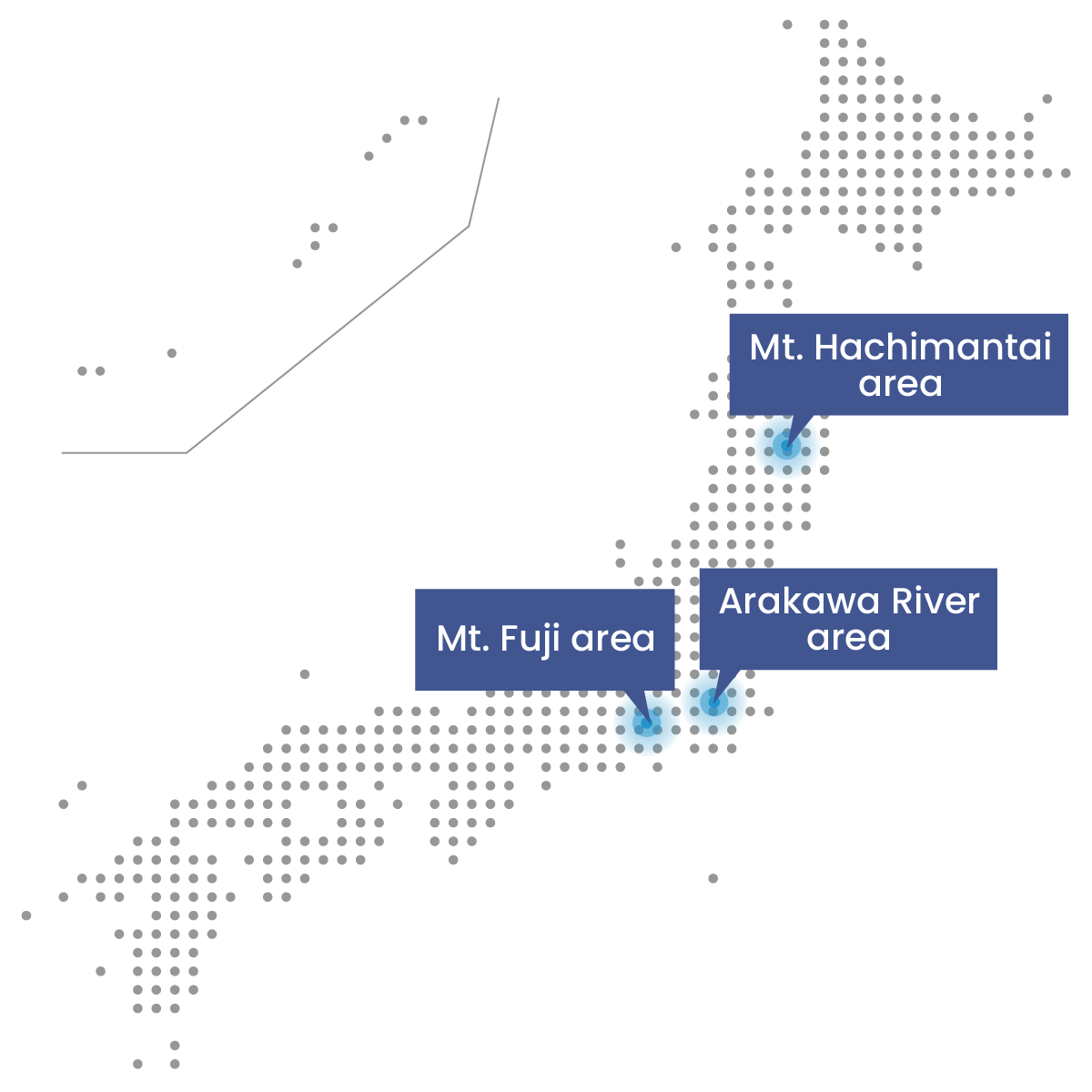
Furthermore, to assess the nature-related dependencies and impacts of our Watches Business direct operation sites (17 factories), we identified priority locations using assessment tools recommended by the TNFD.* Our analyses in this phase were conducted from the perspectives of the regional characteristics of the natural environments of those sites of business activities, the existence of key ecosystems, the state of water resources, and changes in land use, resulting in the selection of three priority locations, as shown on the map below.
※ We used the following major external assessment tools, which are included in the TNFD’s Tools Catalogue or other sources: the WWF Biodiversity Risk Filter, the WWF Water Risk Filter, the WRI Aqueduct Water Risk Atlas, Global Forest Watch, and the Integrated Biodiversity Assessment Tool (IBAT).
Location
Reason for priority location identification
(1) Mt. Hachimantai area, Iwate Prefecture
The Mt. Hachimantai area has been identified on the basis of the distribution of a diverse range of ecosystems, including forests and highland wetlands, and its status as a legally protected area prone to ecological impacts.
(2) Mt. Fuji area, Yamanashi Prefecture
The Mt. Fuji area has been identified on the basis of its importance as an area maintaining and providing water sources and its immense significance for biodiversity, which have made it a legally protected ecological impact-prone area of international importance.
(3) Arakawa River area, Saitama Prefecture
The Arakawa River area has been identified on the basis of its status as an area with high physical water risks from the perspectives of its geological characteristics, the use of its water resources, flood risks, etc.
Planned Initiatives for FY2026
For FY2026, we plan to continue to follow the LEAP approach, conducting analyses of our Watches Business in the subsequent two phases: evaluating nature-related dependencies and impacts and assessing nature-related risks and opportunities.
Specifically, the "evaluating" phase involves questionnaire surveys on inputs, outputs, the characteristics of each site, hazard information, etc. to scientifically evaluate the nature-related dependencies and impacts of the business. The subsequent "assessing" phase involves identification of risks and opportunities posed to us by the dependencies and impacts evaluated in the "evaluating" phase and assessment of their short- to long-term financial impacts.
Promoting Biodiversity Preservation Activities
Based on the Group Biodiversity Vision, The CITIZEN Group continues to work to resolve issues related to biodiversity and conserve it in the regions where it operates.
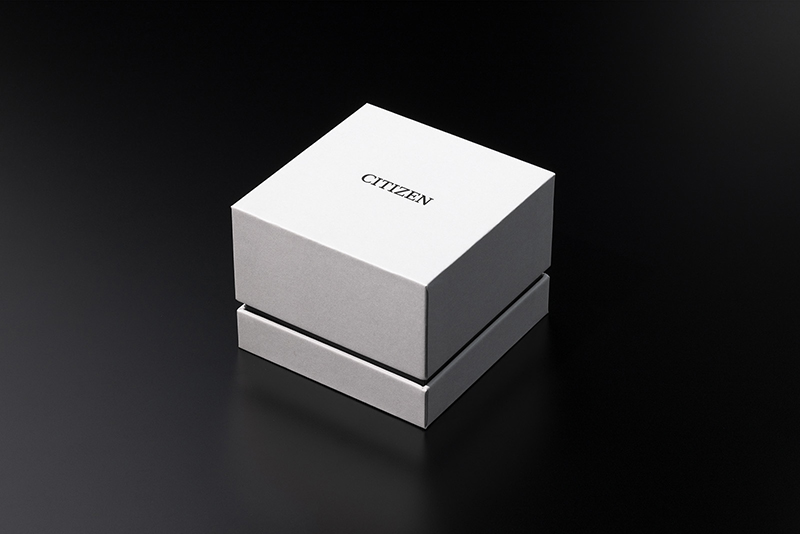
In 2020, Citizen Watch Co., Ltd. initiated the Eco Tree ACTION program, wherein customers opting out of receiving a box for their purchased CITIZEN brand watch have a mangrove seedling donated through NICE, an international NGO. Additionally, since the same year, Citizen Watch Co., Ltd. has been replacing paper user manuals in nine languages with digital ones. This effort has resulted in an annual reduction of 20 tons of CO2 emissions (equivalent to the yearly carbon absorption of 1,400 cedar trees) and a saving of 37 tons of paper (equivalent to the volume of 3.7 buses).
Citizen Watch Co., Ltd. also endorses the Ministry of the Environment’s 30by30 Alliance, which aims to conserve at least 30% of Japan’s land and sea areas as natural environmental areas by 2030. The company has been a member of this alliance since FY2023.
Going forward, we will identify, examine, and assess our dependencies and impacts on nature and biodiversity, as well as nature- and biodiversity-related risks and opportunities, and promote disclosures in line with the TNFD recommendations.
※ TNFD: An international initiative, launched in 2021 following the Task Force on Climate-related Financial Disclosures (TCFD), to establish a non-financial disclosure framework. The TNFD aims to restore biodiversity by creating a framework that encourages companies to disclose information on risks and opportunities related to the natural environment and biodiversity and by supporting a shift in global financial flows away from nature-negative outcomes.
[Case Study] Eco Tree ACTION Program to Turn a Watch Box into a Mangrove
Citizen Watch Co., Ltd.
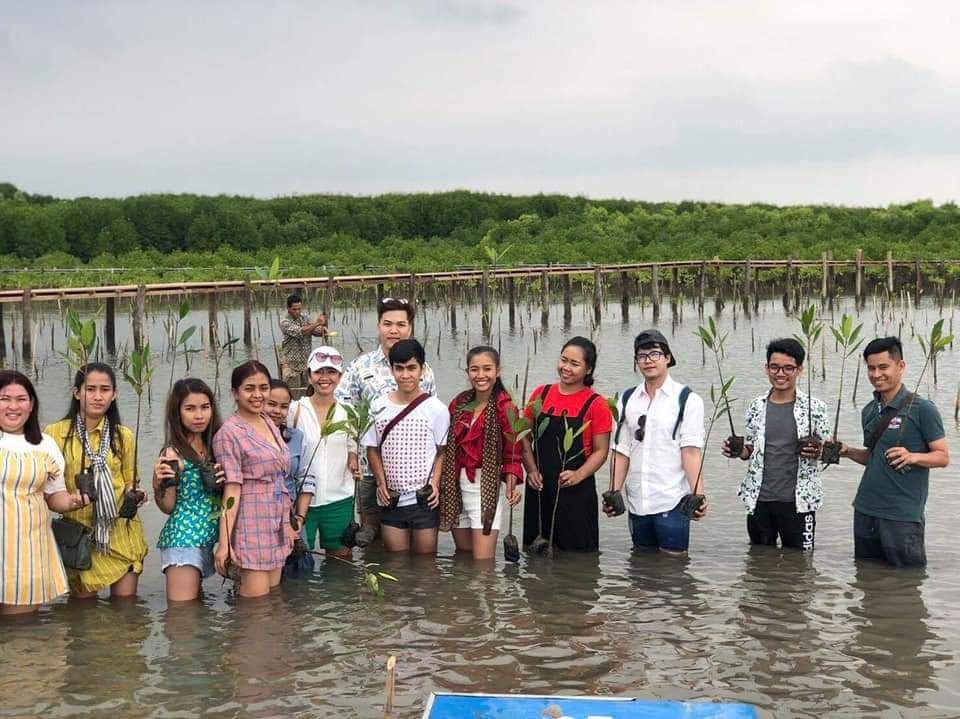
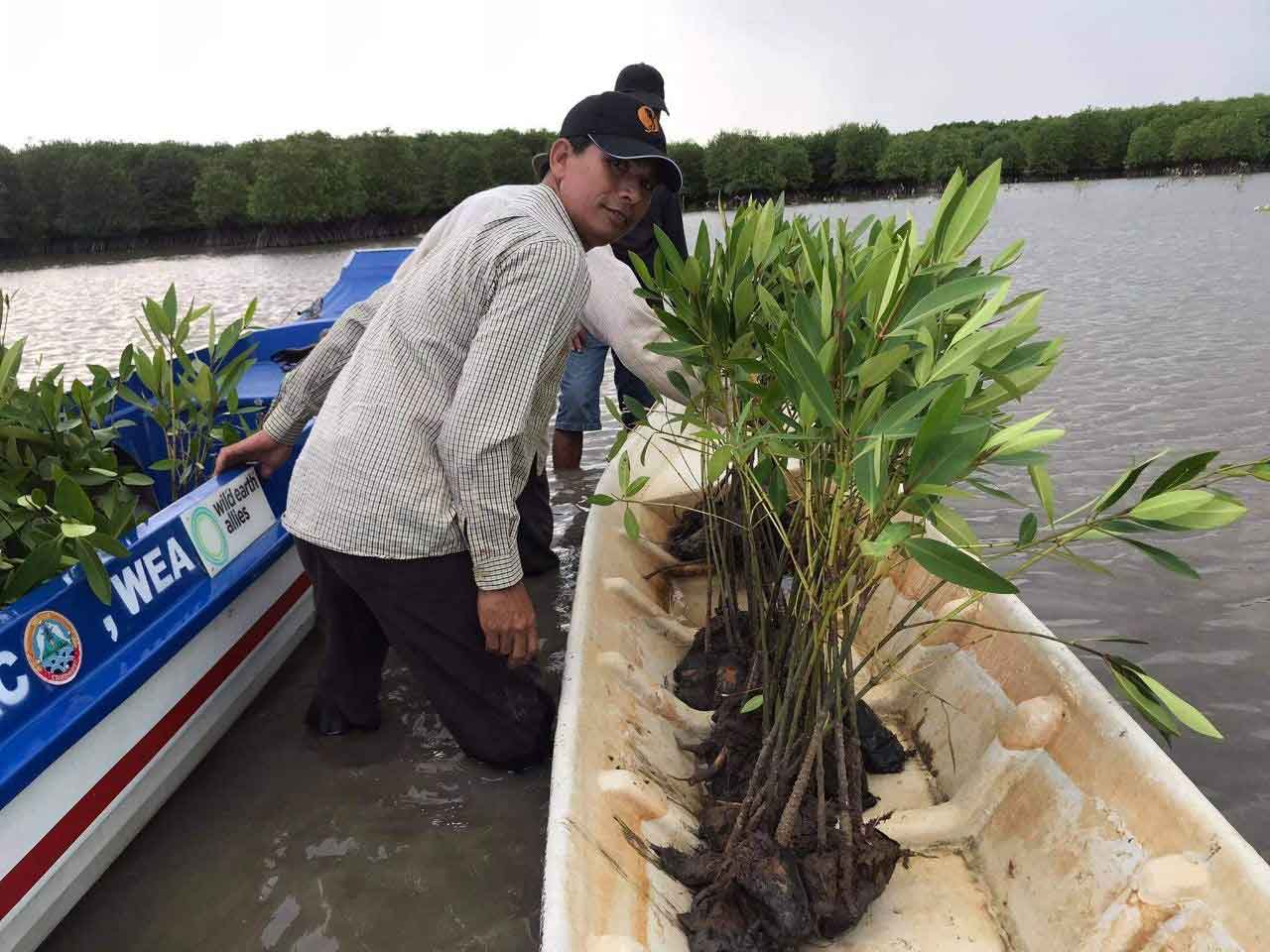
Starting on November 1, 2020, Citizen Watch Co., Ltd. has been implementing the Eco Tree ACTION program, in which a mangrove* seedling is donated through NICE, an international NGO, every time a customer opts out of receiving a box that otherwise would come with a CITIZEN brand watch they purchase.
Under this program, in FY2025, approximately 20,600 watch boxes turned into the same number of seedlings donated, which can offset approximately 1.96 tons of CO2 emissions (equivalent to the annual CO2 absorption of about 140 cedar trees).
Mangroves absorb a large amount of CO2 from the atmosphere and contribute to the prevention of further global warming, which is considered a factor in climate change. The planting of mangroves helps protect not only the diversity of species living in brackish water but also the livelihoods of people living in coastal areas.
※ The word "mangroves" is used here as a general term for plants that grow in brackish water areas, where seawater and freshwater mix.
Logo of the Eco Tree ACTION ProgramPeople planting mangrove seedlingsMangrove seedlings carried on a boat
[Case Study] Use of FSC®-Certified Paper in Consideration of Forests and Local Communities
Citizen Watch Co., Ltd.
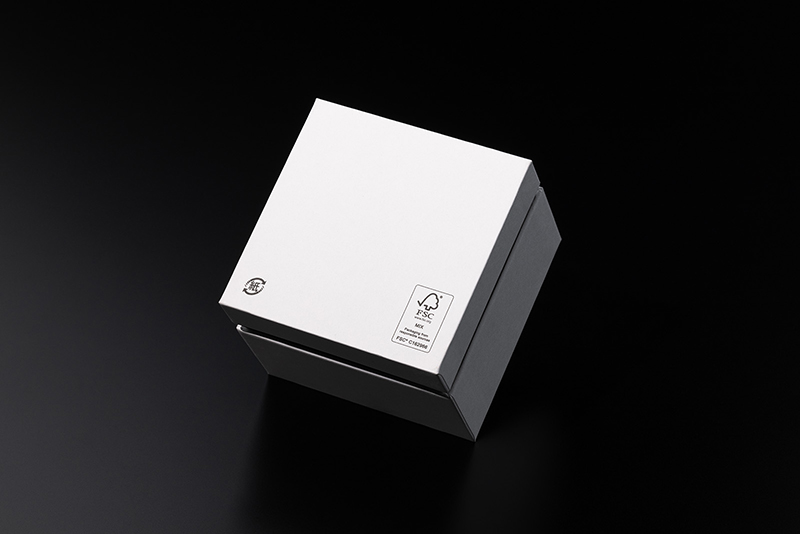
Citizen Watch Co., Ltd. is promoting the use of FSC®*-certified paper for boxes and attachments for watches, as well as pamphlets and other promotional materials, to avoid being involved in illegal logging of forests and environmental destruction.
The FSC® certification system is aimed at visibly delivering to consumers products made from lumber harvested from properly managed forests, recycled resources, and other properly managed raw materials, thereby involving consumers in supporting responsible forest management. Unfortunately, some of the lumber available on the market is illegally harvested or overcut from poorly managed plantation forests. Choosing FSC®-certified products means supporting foresters and communities that manage their forests properly, leading to the conservation of forests throughout the world.
We will always remain keenly aware of our responsibility to appropriately use precious forest resources in order to pass on the richness of forests to the next generation.
The CITIZEN Group has two Nationally Certified Sustainably Managed Natural Sites, one at CITIZEN FINEDEVICE CO., LTD. and the other at CITIZEN MACHINERY CO., LTD..
Logo of Nationally Certified Sustainably Managed Natural Sites
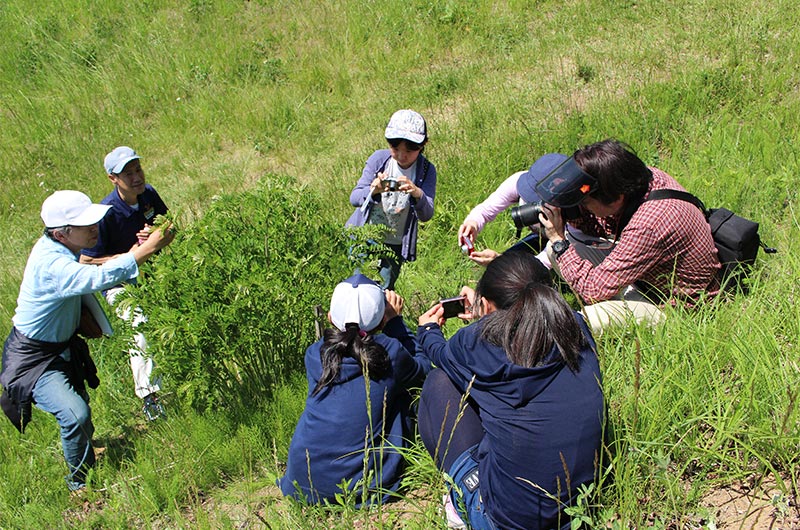
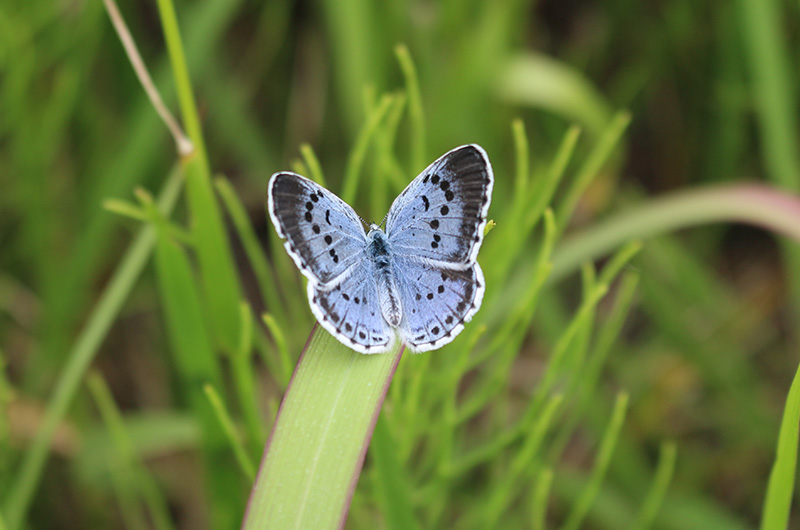
The site of CITIZEN FINEDEVICE CO., LTD.’s Kitamimaki Works (Tomi City, Nagano Prefecture) includes a habitat for the orurishijimi (Shijimiaeoides divinus; a kind of blue butterfly), which is listed as an endangered species in the Threatened I (CR + EN) category. The works is therefore a member of the Group for Orurishijimi Conservation, formed by the local community, and since 2003 its staff have participated in the group’s habitat conservation activities, including planting kurara (Sophora flavescens) bean plants, on which the butterflies feed, and controlling insect pests.
They also help local community members deepen their understanding of conservation activities by sponsoring family orurishijimi observation events held on the premises.
In October 2024, the CITIZEN FINEDEVICE CO., LTD. Kitamimaki Works site was certified as a Nationally Certified Sustainably Managed Natural Site by the Ministry of the Environment.
Taking photos of orurishijimi butterflies alighting on kurara plants, on which they feedShijimiaeoides divinus
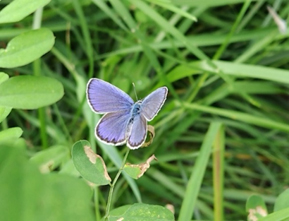
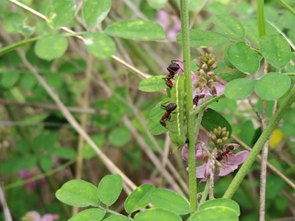
Moreover, a site under the management of CITIZEN MACHINERY CO., LTD. is also home to rare species and plants, such as the miyamashijimi (Lycaeides argyrognomon) and the ezoakayamaari (Formica yessensis), both of which are on the Red List of the Ministry of the Environment. Since the site was certified as a Nationally Certified Sustainably Managed Natural Site, where biodiversity is conserved, by the Ministry in February 2024, the company has been implementing conservation activities under the leadership of the Sustainability Promotion Team.
Lycaeides argyrognomon (Reverdin’s blue)Formica yessensis (an ant species)
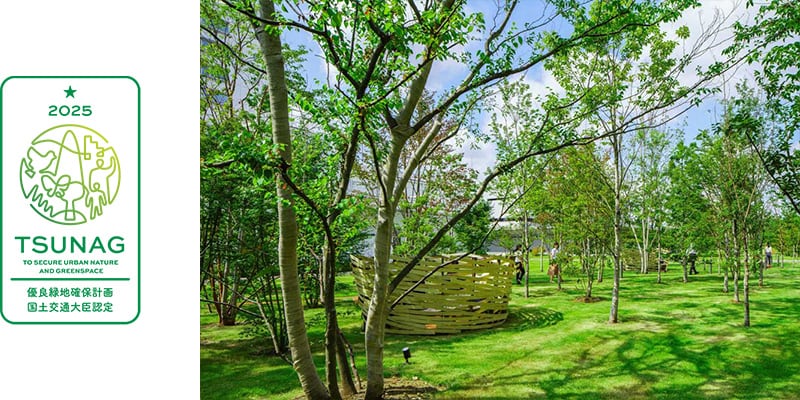
[Case Study] CITIZEN Forest Certified as an OMAf Site by the Social and Environmental Green Evaluation System (SEGES) and Included in the First Batch of Sites Certified under the Ministry of Land, Infrastructure, Transport and Tourism’s Evaluation and Certification System to Secure Urban Nature and Green Space (TSUNAG System)
Citizen Watch Co., Ltd.
In 2019, as a local disaster prevention measure, Citizen Watch Co., Ltd. removed deteriorated factory buildings and greened the site to meet the statutory ratio of greened land stipulated by the Factory Location Act. This is how the CITIZEN Forest originated. In 2021, Citizen Watch Co., Ltd. received the Good Design Award for the forest, a first for the company’s works, and in 2023, the forest was also certified as an OMAf site (forest site with the operation, management, and active use of green spaces) at Excellent Stage 1 by the Social and Environmental Green Evaluation System (SEGES).
Furthermore, in 2024, the forest led to Citizen Watch Co., Ltd. being included in the first batch of companies certified by the Ministry of Land, Infrastructure, Transport and Tourism under its Evaluation and Certification System to Secure Urban Nature and Green Space (TSUNAG System).
From the perspective of improving the wellness of employees and the local environment, the forest is composed of native species that form local forests in the Musashino area.
Designed in consideration of the ecological network, the forest provides comfortable places for birds and insects to fly in and out.
Citizen Watch Co., Ltd. will continue its efforts to maintain greenery and coexist with nature and living creatures based on its planting management plan.
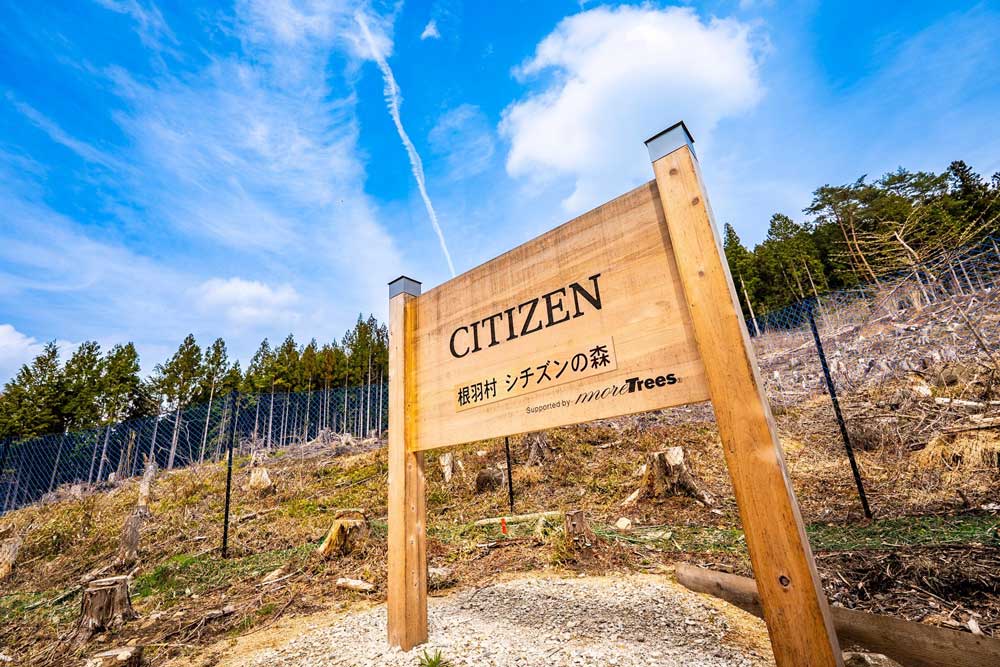
Forest Conservation Initiative at the Neba Village CITIZEN Forest in Collaboration with the Local Community
Citizen Watch Co., Ltd.
Citizen Watch Co., Ltd. has concluded a partnership agreement with More Trees, a general incorporated association engaged in forest conservation activities under the motto "Connect Cities and Forests," to promote forest conservation activities in collaboration with local communities.
One of the specific initiatives under this partnership is one implemented at the Neba Village CITIZEN Forest in Neba Village, Shimoina District, Nagano Prefecture.
Neba Village is abundant in natural features, with forests accounting for approximately 92% of its area. It has a history of being committed to sustainable forest creation while taking serious care of its forest resources. In consideration of the characteristics and history of Neba Village as such, Citizen Watch Co., Ltd. is working with local stakeholders to promote tree planting and forest conservation activities.
This initiative aims to conserve biodiversity by planting forests mainly of a variety of broad-leaved trees and to support the maintenance and development of the diverse forest environment in collaboration with the local community through various measures, including providing local people with the opportunity to deepen their understanding of forests and forestry and promoting the use of domestically produced lumber.
Furthermore, with the help of the local forestry cooperative and More Trees, the company provides its employees with the opportunity to visit the site and experience tree planting activities and what is actually done in the field of forest management and forestry. This is aimed at deepening employees’ understanding of the relationship between the natural environment and human activities and raising their awareness of environmental preservation.
Citizen Watch Co., Ltd. will continue its efforts to conserve forests and biodiversity from a long-term perspective while placing high importance on collaboration with the local community.