Watches

Here we outline our four businesses, through which we contribute widely to the lives of people around the world.
Machine tools
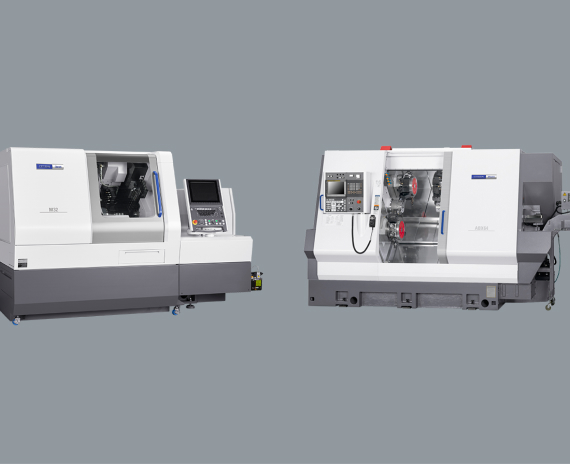
Citizen began production of machine tools in 1936, utilizing the technologies and know-how developed through the manufacture of watch parts. Our products contribute to the development of manufacturing industries all over the world.
Corporate Philosophy

Loved by citizens, working for citizens.
CITIZEN's corporate philosophy, "Loved by citizens, working for citizens" is to
deeply contribute to the lives of people around the world through the manufacturing of products that are loved and trusted by citizens.
Message From President & CEO

Crafting a new tomorrow Towards sustainable value creation
IR Library

CITIZEN REPORT(Integrated Report)
Top Management

By further promoting sustainable management, we aim to become a company that can create value sustainably
Sustainability Management
CITIZEN Group’s Sustainable Management
- TOP
- Sustainability
- GRI Standards Index
GRI Standards Index
| Statement on Use | The Citizen Group references the GRI Standards and reports the information listed in this GRI Content Index for the period from April 1, 2024, to March 31, 2025. |
|---|---|
| GRI 1 Used | GRI 1: Foundation 2021 |
Topic standards
Please scroll down to see→
Please scroll down to see→
| GRI Standards | Disclosure Number | Disclosures | Sustainability Site |
|---|---|---|---|
| GRI 3: Material Topics 2021 | 3-1 | Process to determine material topics | Materiality |
| 3-2 | List of material topics | Materiality | |
| 3-3 | Management of material topics | Materiality | |
| Concept of Sustainable Management&Promotion Structure>Sustainability Promotion Structure | |||
| Environmental Management>Environmental Management Structure | |||
| Responding to Climate Change>Climate Change Risks and Opportunities>Governance | |||
| Promoting Sustainable Procurement>Sustainable Procurement Promotion System | |||
| Strengthening Risk Management>Group Risk Management | |||
| Enhancing Quality Compliance>Basic Concept for Quality Compliance |
Sector standard
Economic
Please scroll down to see→
| GRI Standards | Disclosure Number | Disclosures | Sustainability Site |
|---|---|---|---|
| GRI201: Economic Performance 2016 | 201-1 | Direct economic value generated and distributed |
Annual Securities Report(p.69~72)(in Japanese only)(PDF: 1.37MB)
|
| 201-2 | Financial implications and other risks and opportunities due to climate change | Responding to Climate Change | |
| 201-3 | Defined benefit plan obligations and other retirement plans |
Annual Securities Report(p.103~105)(in Japanese only)(PDF: 1.37MB)
|
|
| 201-4 | Financial assistance received from government | There are no applicable cases. | |
| GRI 202: Market Presence 2016 | 202-1 | Ratios of standard entry level wage by gender compared to local minimum wage | Recruit>New graduate(in Japanese only) |
| Promoting Sustainable Procurement>CSR Procurement>The CITIZEN Group CSR Procurement Guidelines | |||
| 202-2 | Proportion of senior management hired from the local community | - | |
| GRI 203: Indirect Economic Impacts 2016 | 203-1 | Infrastructure investments and services supported | - |
| 203-2 | Significant indirect economic impacts | - | |
| GRI 204: Procurement Practices 2016 | 204-1 | Proportion of spending on local suppliers | Not disclosed because there is no definition of the local. |
| GRI 205: Anti-corruption 2016 | 205-1 | Operations assessed for risks related to corruption | - |
| 205-2 | Communication and training about anti-corruption policies and procedures | Thorough Compliance | |
| 205-3 | Confirmed incidents of corruption and actions taken | There are no applicable cases. | |
| GRI 206: Anti-competitive Behavior 2016 | 206-1 | Legal actions for anti-competitive behavior, anti-trust, and monopoly practices | There are no applicable cases. |
| GRI 207: Tax 2019 | 207-1 | Approach to tax | Thorough Compliance>Tax Compliance |
| 207-2 | Tax governance, control, and risk management | Thorough Compliance>Tax Compliance | |
| 207-3 | Stakeholder engagement and management of concerns related to tax | - | |
| 207-4 | Country-by-country reporting | - |
Environmental
Please scroll down to see→
Social
Please scroll down to see→
| GRI Standards | Disclosure Number | Disclosures | Sustainability Site |
|---|---|---|---|
| GRI 401: Employment 2016 | 401-1 | New employee hires and employee turnover | ESG Data>Social>Basic Data>New graduate recruitment (6 major companies) |
| ESG Data>Social>Basic Data>Mid-career recruitment (6 major companies) | |||
| ESG Data>Social>Basic Data>Turnover for personal reasons by age (6 major companies) | |||
| ESG Data>Social>Basic Data>Turnover for personal reasons by gender (6 major companies) | |||
| ESG Data>Social>Basic Data>Total turnover rate | |||
| 401-2 | Benefits provided to full-time employees that are not provided to temporary or part-time employees | Human Capital Management>Creating a Workplace Where Talent Can Thrive>Creating a Comfortable Work Environment>Employee Benefits | |
| Diversity, Equity & Inclusion>Compatibility Support System (Summary) | |||
| Diversity, Equity & Inclusion>Empowerment of Female Employees | |||
| Human Capital Management>Creating a Workplace Where Talent Can Thrive>Creating a Comfortable Work Environment>Employee Benefits | |||
| 401-3 | arental leave | ESG Data>Social>Promoting Work-Life Balance>Childcare leave taken (6 major companies) | |
| ESG Data>Social>Promoting Work-Life Balance>Return to work after maternity leave (full-time employees only) (6 major companies) | |||
| GRI 402: Labor/Management Relations 2016 | 402-1 | Minimum notice periods regarding operational changes | - |
| GRI 403: Occupational Health and Safety 2018 | 403-1 | Occupational health and safety management system | Health Management>Ensure Occupational Safety>Health and Safety Management System |
| Health Management>Ensure Occupational Safety>Monitoring and Management of Performance Related to Occupational Health and Safety | |||
| 403-2 | Hazard identification, risk assessment, and incident investigation | Health Management>Ensure Occupational Safety>Occupational Safety Risk Assessment | |
| Thorough Compliance>Compliance Hotline (Internal Whistleblowing System) | |||
| 403-3 | Occupational health services | Health Management>Basic Ideas about Health Management>Strategic Map | |
| 403-4 | Worker participation, consultation, and communication on occupational health and safety | Health Management>Ensure Occupational Safety>Health and Safety Management System | |
| 403-5 | Worker training on occupational health and safety | Health Management>Ensure Occupational Safety>Efforts to Improve Labor Health and Safety | |
| 403-6 | Promotion of worker health | Health Management>Basic Ideas about Health Management>Strategic Map | |
| Health Management>Initiatives for Health Maintenance and Promotion | |||
| 403-7 | Prevention and mitigation of occupational health and safety impacts directly linked by business relationships | Health Management>Ensure Occupational Safety>Efforts to Improve Labor Health and Safety | |
| 403-8 | Workers covered by an occupational health and safety management system | Health Management>Ensure Occupational Safety>Health and Safety Management System | |
| 403-9 | Work-related injuries | ESG Data>Social>Occupational Health and Safety>Occupational accidents | |
| Health Management>Ensure Occupational Safety>Occupational Safety Risk Assessment | |||
| Health Management>Ensure Occupational Safety>Efforts to Improve Labor Health and Safety | |||
| 403-10 | Work-related ill health | - | |
| GRI 404: Training and Education 2016 | 404-1 | Average hours of training per year per employee | ESG Data>Social>Human Capital Development>Hours spent on capacity-building programs (6 major companies) |
| 404-2 | Programs for upgrading employee skills and transition assistance programs | Human Capital Management>Human Capital Development>Training System | |
| Human Capital Management>Creating a Workplace Where Talent Can Thrive>Autonomous Career Development and Diverse Career Paths | |||
| 404-3 | Percentage of employees receiving regular performance and career development reviews | - | |
| GRI 405: Diversity and Equal Opportunity 2016 | 405-1 | Diversity of governance bodies and employees | Annual Securities Report(p.51~53)(in Japanese only)(PDF: 1.37MB) |
| Annual Securities Report(p.13)(in Japanese only)(PDF: 1.37MB) |
|||
| ESG Data>Social>Promoting Diversity | |||
| 405-2 | Ratio of basic salary and remuneration of women to men | Annual Securities Report(p.13)(in Japanese only)(PDF: 1.37MB) |
|
| GRI 406: Non-discrimination 2016 | 406-1 | Incidents of discrimination and corrective actions taken | There are no applicable cases. |
| GRI 407: Freedom of Association and Collective Bargaining 2016 | 407-1 | Operations and suppliers in which the right to freedom of association and collective bargaining may be at risk | Promoting Sustainable Procurement>Sustainable Procurement Initiatives |
| Respect for Human Right>Initiatives to Ensure Respect for Human Rights / Human Rights Due Diligence Initiatives | |||
| GRI 408: Child Labor 2016 | 408-1 | Operations and suppliers at significant risk for incidents of child labor | Promoting Sustainable Procurement>Sustainable Procurement Initiatives |
| Respect for Human Right>Initiatives to Ensure Respect for Human Rights / Human Rights Due Diligence Initiatives | |||
| GRI 409: Forced or Compulsory Labor 2016 | 409-1 | Operations and suppliers at significant risk for incidents of forced or compulsory labor | Promoting Sustainable Procurement>Sustainable Procurement Initiatives |
| Respect for Human Right>Initiatives to Ensure Respect for Human Rights / Human Rights Due Diligence Initiatives | |||
| GRI 410: Security Practices 2016 | 410-1 | Security personnel trained in human rights policies or procedures | - |
| GRI 411: Rights of Indigenous Peoples 2016 | 411-1 | Incidents of violations involving rights of indigenous peoples | There are no applicable cases. |
| GRI 413: Local Communities 2016 | 413-1 | Operations with local community engagement, impact assessments, and development programs | - |
| 413-2 | Operations with significant actual and potential negative impacts on local communities | - | |
| GRI 414: Supplier Social Assessment 2016 | 414-1 | New suppliers that were screened using social criteria | - |
| 414-2 | Negative social impacts in the supply chain and actions taken | - | |
| GRI 415: Public Policy 2016 | 415-1 | Political contributions | ESG Data>Social>Political donations |
| GRI 416: Customer Health and Safety 2016 | 416-1 | Assessment of the health and safety impacts of product and service categories | - |
| 416-2 | Incidents of non-compliance concerning the health and safety impacts of products and services | There are no applicable cases. | |
| GRI 417: Marketing and Labeling 2016 | 417-1 | Requirements for product and service information and labeling | Sustainable Products & Factories |
| 417-2 | Incidents of non-compliance concerning product and service information and labeling | There are no applicable cases. | |
| 417-3 | Incidents of non-compliance concerning marketing communications | There are no applicable cases. | |
| GRI 418: Customer Privacy 2016 | 418-1 | Substantiated complaints concerning breaches of customer privacy and losses of customer data | There are no applicable cases. |